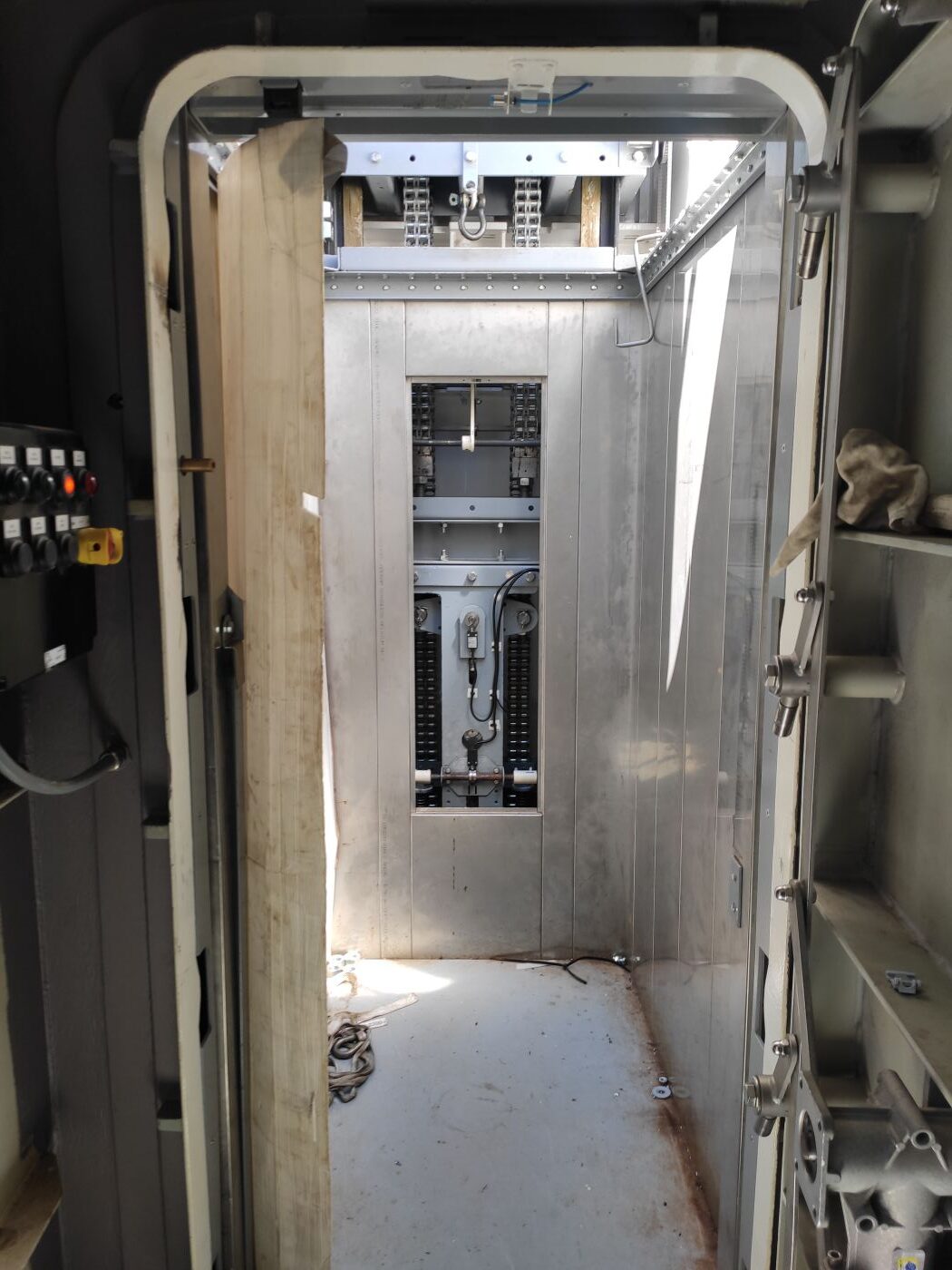
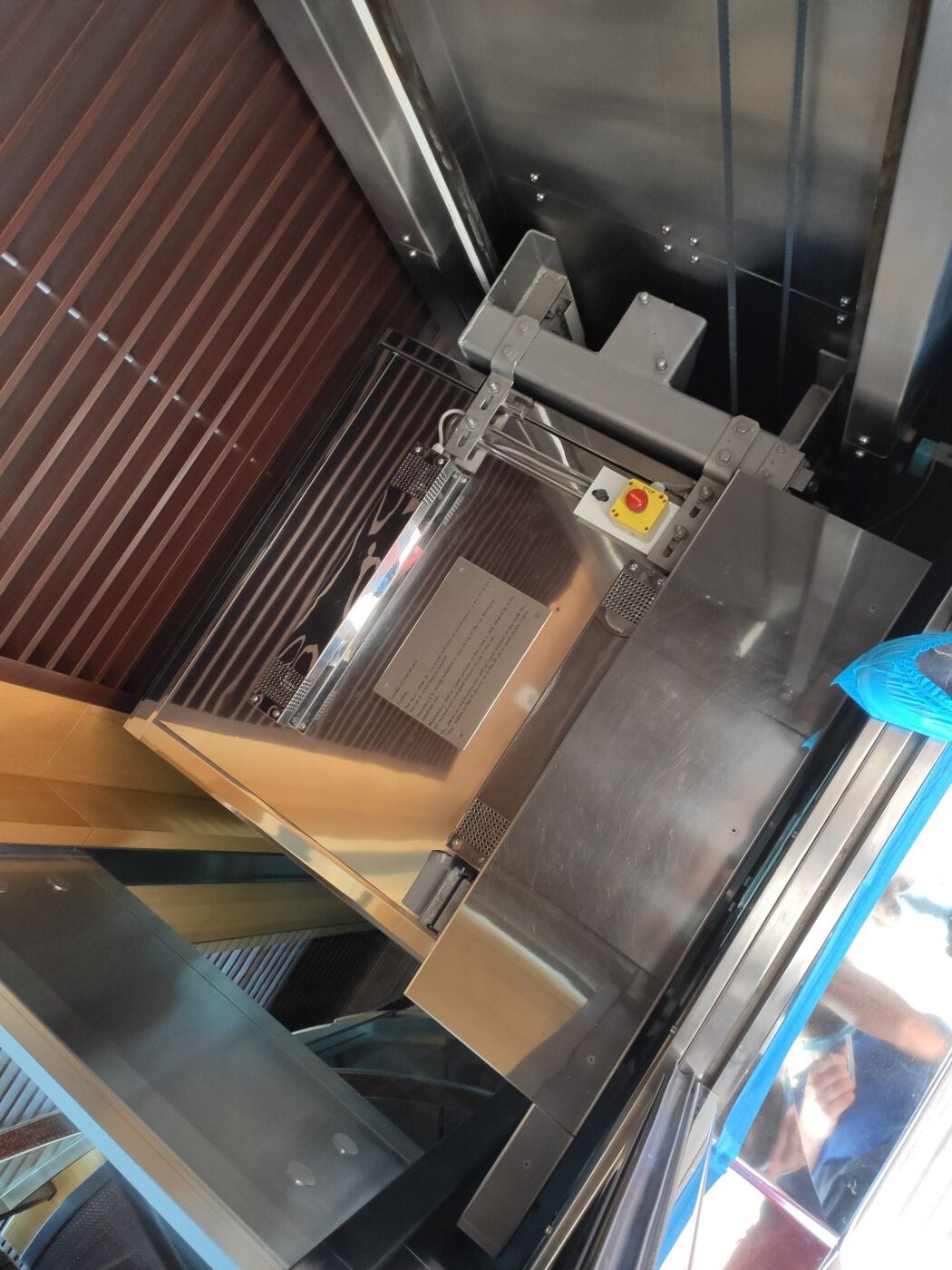
Sealed Design: Explosion-safe lifts are constructed with sealed or encapsulated components, including motors, wiring, and control systems, to prevent the release of sparks, heat, or electrical arcs that could ignite flammable substances.
Non-Sparking Materials: The materials used in the construction of explosion-safe lifts are carefully selected to minimize the risk of sparking. For example, non-sparking metals like stainless steel may be used.
Dust Protection: In environments with combustible dust, explosion-safe lifts incorporate measures to prevent the buildup of dust within the elevator shaft and machinery, reducing the risk of ignition.
Ventilation and Pressure Relief: Some explosion-safe lifts include ventilation systems and pressure relief mechanisms to safely dissipate any explosive gases or pressures that may accumulate within the elevator shaft.
Compliance with Standards: Explosion-safe lifts are designed and tested to comply with specific industry and safety standards, which can vary depending on the type of hazardous environment (e.g., ATEX directives in Europe).
Emergency Features: These lifts often feature emergency shutdown systems and safety interlocks to ensure the safety of passengers in the event of a hazardous condition.